ALPRs in La Crosse
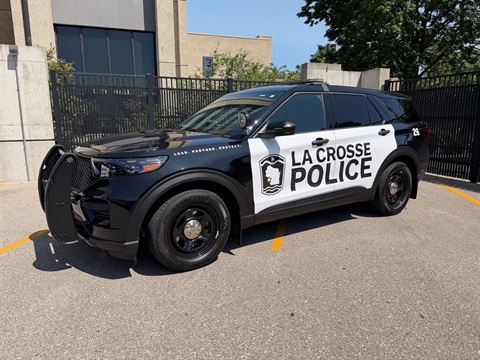
The La Crosse Police Department (LCPD) utilizes technology resources to improve community safety. Automated license plate readers (ALPRs) are an example of a technology that is used to aid in investigations. ALPRs have provided critical leads in identifying vehicles tied to homicides, batteries, sexual assaults, property crimes, hit and runs, and many other criminal investigations. ALPRs also play a significant role in helping locate missing persons, and in reducing risk to the community, victims, officers, and suspects.
Governed by policy, and supported by training and ongoing oversight, ALPRs enhance operational productivity, effectiveness, and overall neighborhood safety while respecting privacy and civil liberties.
ALPR Use
How ALPRs are used by LCPD
- Cameras placed in public areas capture license plate and vehicle characteristics, recording the time and location of the vehicle. ALPR data is only retained for 30 days.
- Data is used to identify vehicles associated with crimes, public safety threats, or to locate missing or endangered persons.
- Any ALPR data searched by an officer must be associated with a case, and the officer must provide the reason for the search.
- ALPR data provides alerts in cases related to NCIC stolen vehicles, missing persons cases, and custom agency hotlists for crimes or safety concerns. Adding a vehicle to a hotlist requires supervisor approval.
- LCPD ALPR data is only shared with law enforcement agencies. LCPD ALPR data is not accessible by the federal government.
ALPRs are not used for
- Conducting continuous or random surveillance, immigration enforcement, facial recognition, or identifying occupants of a vehicle.
- ALPRs are not used as traffic cameras for writing citations such as speed or stop light violations.
How ALPR Works
Identifying vehicles associated with crimes
- A crime is reported to law enforcement with a description of a suspect's vehicle.
- The officer, using a case number and reason for the search, queries the license plate or other identifiable vehicle characteristics. This search can either rule out or provide a lead on a possible involved vehicle.
- The officer follows up with the person associated with this vehicle to further investigate, and uses other information from the investigation to develop probable cause for charges.
Locating missing or endangered persons
- A person is reported to police as missing and their vehicle information is entered into NCIC (National Crime Information Center).
- Subject drives past an ALPR camera and the agency receives immediate notification of time and camera location.
- Officers check the area or communicate to a neighboring agency if direction of travel is known.
- An officer observes the vehicle and confirms the license plate and missing person information with dispatch. Once confirmed, an officer makes contact with the missing person and their missing person status is removed from the NCIC and ALPR databases.
Accountability
The La Crosse Police Department's ALPR policy has been updated in 2026 due to the advancement of the technology and community concerns. The ALPR policy is subject to ongoing review to ensure its continued effectiveness.
Training on acceptable use and requirements to search have been updated in 2026. Ongoing discussions around ALPR use continue at the La Crosse Police Department.
The LCPD conducts its own monthly audits, in addition to the audits provided by vendors, to ensure policy, procedures, and acceptable uses are being followed.